

Blog
Fungal Nail Infection

Introduction
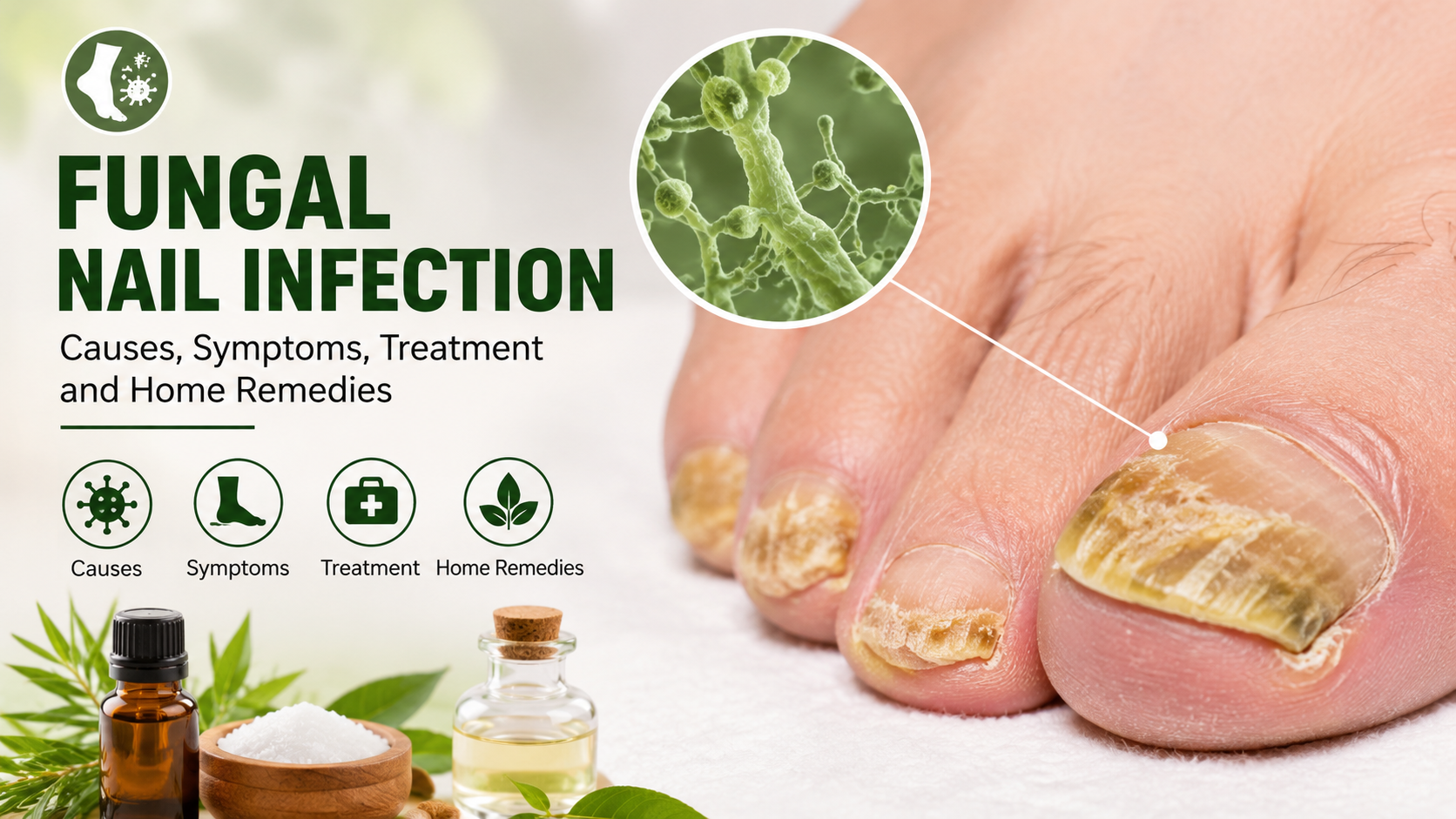
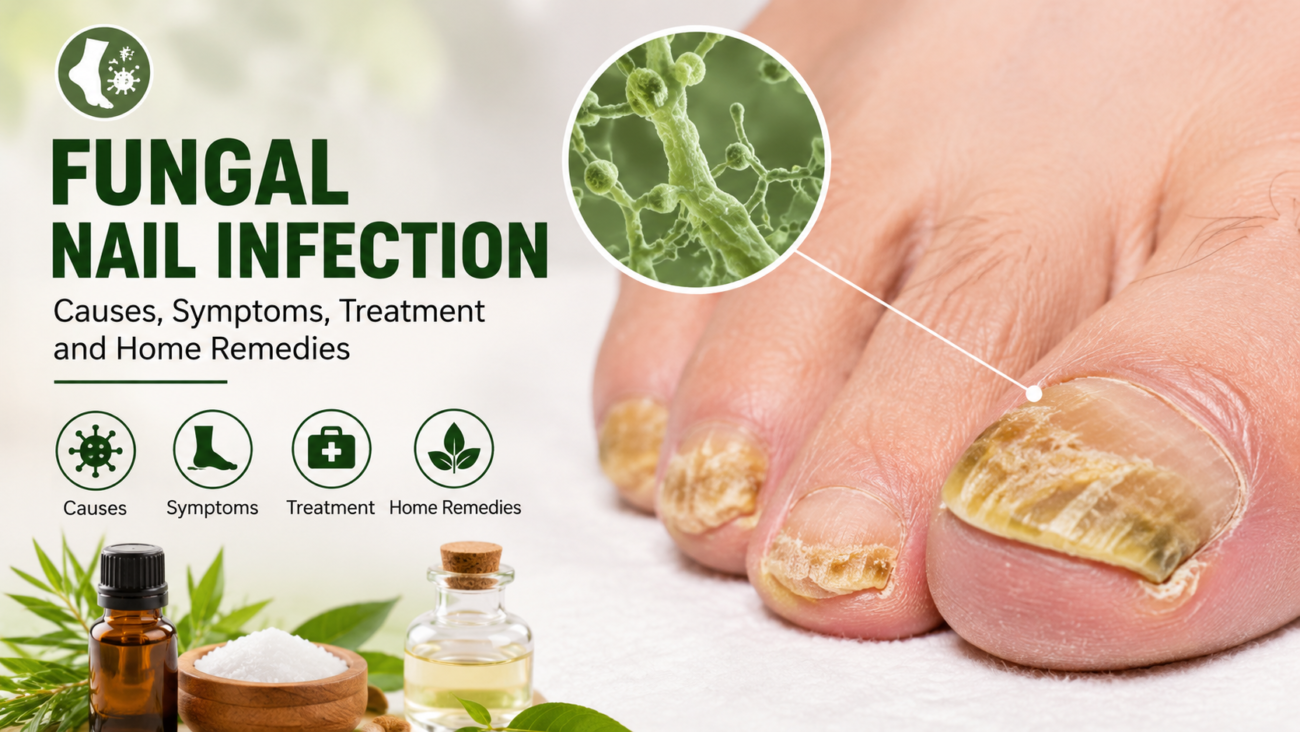
Fungal nail infection is a common condition that affects the fingernails or toenails. It is caused by fungi that grow in warm and moist places. This infection usually starts as a small white or yellow spot under the nail and can slowly spread. As the infection gets worse, the nail may become thick, discolored, brittle, and difficult to trim. Fungal nail infections are more common in older adults, people with diabetes, and those who often wear closed shoes for long periods. Although it is not usually a serious health problem, it can cause discomfort and affect the appearance of the nails. Early diagnosis and proper treatment can help prevent the infection from spreading and improve nail health.
What Is Fungal Nail Infection?
Fungal nail infection is a common nail disease caused by tiny fungi that grow under or around the nails. It can affect both fingernails and toenails, but it is more common in toenails. The infection usually develops in warm and moist environments, making people who wear closed shoes for long hours more likely to get it.
When a fungal infection starts, a small white, yellow, or brown spot may appear on the nail. Over time, the nail can become thicker, rough, brittle, and discolored. In some cases, the nail may separate from the nail bed and cause pain or discomfort while walking or using the hands.
Fungal nail infections can affect people of all ages, but they are more common in older adults, people with diabetes, and those with a weak immune system. Sharing nail tools, walking barefoot in public showers, and poor foot hygiene can also increase the risk of infection.
Home Remedies for Fungal Nail Infection
Home remedies can be helpful for people with mild fungal nail infections. These treatments may reduce fungal growth, improve nail appearance, and support healthy nail growth. However, home remedies usually take time to show results because nails grow slowly. For the best outcome, it is important to follow these remedies regularly and maintain good nail hygiene.
Keep the Nails Clean and Dry
One of the most important steps in treating a fungal nail infection at home is keeping the nails clean and dry. Fungi grow and spread more easily in warm and damp environments. Washing your feet and hands every day helps remove dirt, sweat, and germs that may encourage fungal growth. After washing, dry the nails carefully, especially between the toes. Wearing dry socks and changing them whenever they become sweaty can also help prevent the infection from getting worse. Good hygiene creates an environment where fungus is less likely to survive.
Use Tea Tree Oil
Tea tree oil is a natural product that is widely used for its antifungal and antibacterial properties. Many people use it as a home remedy for fungal nail infections. Before applying tea tree oil, clean and dry the affected nail thoroughly. Use a cotton swab to apply a small amount of diluted tea tree oil directly to the infected area. Regular use may help reduce discoloration and improve the appearance of the nail over time. Because nail infections often develop slowly, visible improvement may take several weeks or even months.
Try Apple Cider Vinegar Soaks
Apple cider vinegar is another popular home remedy that may help create an environment where fungi have difficulty growing. To use this remedy, mix equal amounts of warm water and apple cider vinegar in a bowl. Soak the affected nail for about 15 to 20 minutes each day. After soaking, dry the nail completely with a clean towel. While apple cider vinegar may not completely cure every infection, many people use it as part of their daily nail care routine to support healthier nails.
Apply Coconut Oil Regularly
Coconut oil contains natural fatty acids that may have antifungal properties. Applying coconut oil to the infected nail can help keep the nail and surrounding skin moisturized while also supporting nail health. Gently massage a small amount of coconut oil onto the affected nail two or three times a day. Consistent use may help improve the condition of the nail and reduce dryness or irritation around the infected area.
Trim and File the Nails Properly
Keeping infected nails short and neat is an important part of home care. Thick nails can trap moisture and make fungal infections harder to manage. Trimming the nails regularly helps reduce pressure and discomfort. Filing down thick areas can also help home treatments reach deeper parts of the nail. Always use clean nail clippers and files, and disinfect them after each use to prevent the spread of infection to other nails.
Wear Breathable Shoes and Clean Socks
Footwear plays a major role in nail health. Tight shoes and synthetic socks can trap heat and moisture, creating ideal conditions for fungal growth. Wearing breathable shoes and clean cotton socks helps keep the feet cool and dry throughout the day. If your feet sweat heavily, changing socks during the day can provide additional protection against fungal infections.
Avoid Sharing Personal Nail Care Items
Fungal nail infections can spread from one person to another through shared personal items. Nail clippers, nail files, shoes, socks, and towels should not be shared. Using your own nail care tools helps reduce the risk of spreading the infection and protects other family members from becoming infected. Cleaning and disinfecting nail tools regularly is also recommended.
Maintain Good Foot Hygiene Every Day
Good foot hygiene is one of the most effective ways to support recovery from a fungal nail infection. Wash your feet daily with soap and water, dry them carefully, and inspect your nails regularly for any changes. Keeping feet clean can reduce fungal growth and lower the chance of future infections. Making foot care part of your daily routine can improve overall nail health and prevent recurring problems.
Know When to See a Doctor
Although home remedies may help with mild fungal nail infections, they are not always enough. If the nail becomes very thick, painful, starts separating from the nail bed, or if the infection spreads to other nails, professional medical treatment may be needed. People with diabetes, poor circulation, or weakened immune systems should consult a healthcare provider as soon as they notice symptoms. Early treatment can help prevent complications and improve the chances of a full recovery.Treatment of fungal nail infection at home
“An established fungal infection is hard to eradicate, but you can stop its spread and improve your toenail’s appearance.”
( Harvard Health publishing).