

Blog
How to Prevent Dengue Fever During Rainy Season

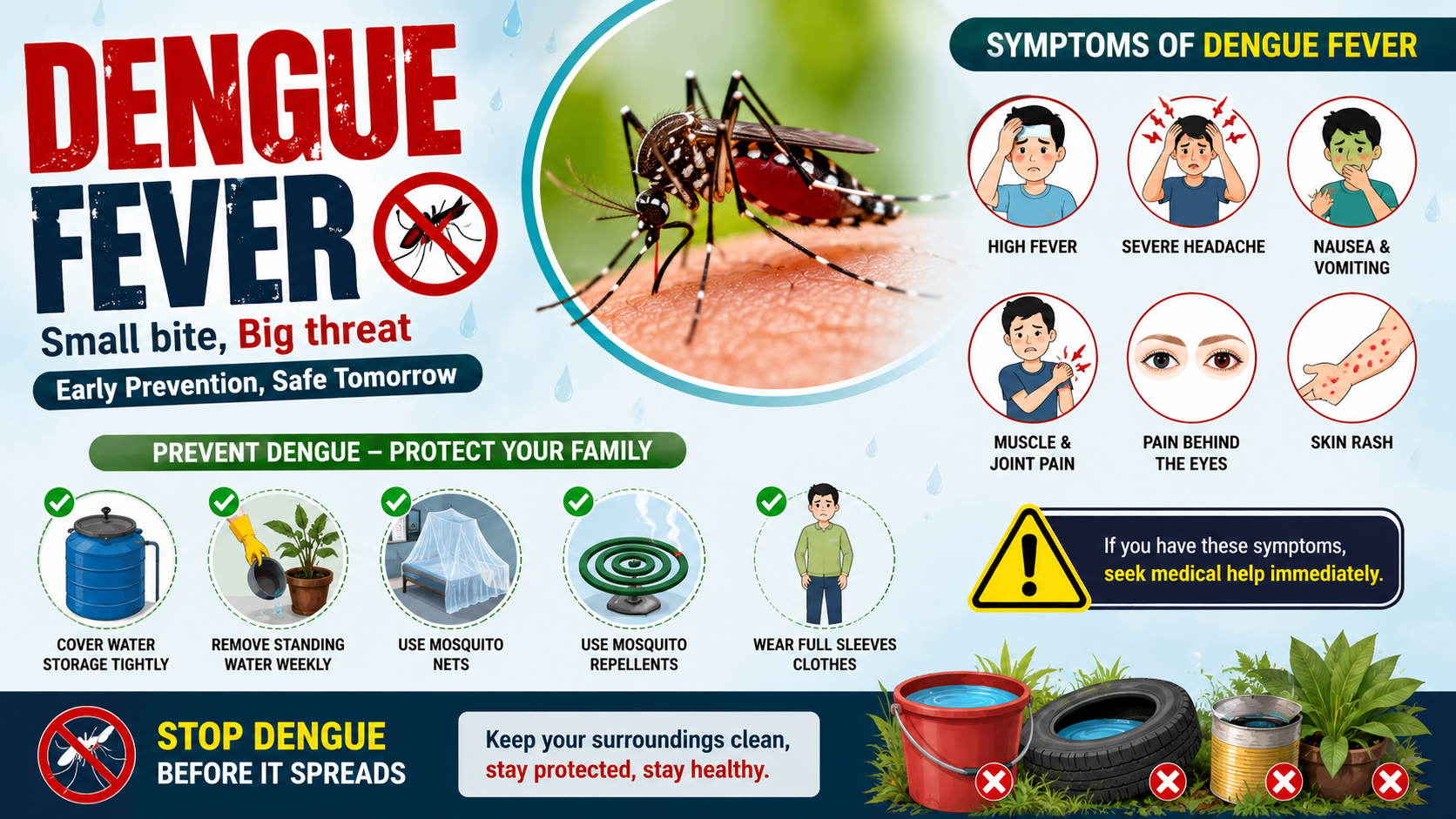
What is Dengue Fever?
Dengue fever is a viral infection that spreads through the bite of an infected Aedes mosquito. It is one of the most common mosquito-borne diseases in tropical and subtropical countries, especially during the rainy season. The disease can affect both children and adults and may cause symptoms ranging from mild fever to severe health complications. Since there is no specific treatment that completely cures dengue, prevention remains the best way to protect yourself and your family. Understanding how dengue spreads and taking preventive measures can significantly lower the risk of infection.
Why Does Dengue Fever Increase During the Rainy Season?
The rainy season creates perfect conditions for mosquitoes to breed and multiply. Rainwater often collects in open containers, flower pots, old tires, buckets, roof gutters, and other places around homes. These water-filled areas become breeding grounds where mosquitoes lay their eggs. Within a few days, the eggs develop into adult mosquitoes capable of spreading dengue. As the mosquito population increases, the chances of dengue outbreaks also rise. This is why health experts often warn people to be extra careful during and after periods of heavy rainfall.
How Mosquito Breeding Sites Increase Dengue Risk
Mosquitoes do not need large ponds or lakes to reproduce. Even a small amount of stagnant water is enough for them to lay eggs. Water that remains undisturbed for several days becomes an ideal breeding site. If these breeding areas are not removed regularly, mosquito populations can grow rapidly around homes and neighborhoods. The more mosquitoes there are, the greater the risk of dengue transmission. Regular inspections of indoor and outdoor areas can help identify and eliminate mosquito breeding sites before they become a serious problem.
Why Covering Water Containers Is Important
Many households store water in tanks, drums, buckets, and other containers for daily use. If these containers are left uncovered, mosquitoes can easily lay eggs in the water. Covering water storage containers prevents mosquitoes from accessing the water and reduces the chances of breeding. It is also important to clean water containers regularly because mosquito eggs can stick to the sides of containers and survive for long periods. Proper water storage practices play a major role in dengue prevention.
How Mosquito Repellents Help Prevent Dengue
Mosquito repellents are among the most effective tools for reducing mosquito bites. They create a protective barrier that keeps mosquitoes away from exposed skin. Repellents are particularly useful when spending time outdoors, especially during periods when dengue cases are increasing. Consistent use of repellents can greatly lower the chances of being bitten by an infected mosquito. Using repellents along with other preventive measures provides stronger protection against dengue fever.
The Role of Protective Clothing in Dengue Prevention
Wearing clothing that covers most of the body can help reduce mosquito bites. Long-sleeved shirts, full-length trousers, socks, and closed shoes provide additional protection against mosquitoes. Light-colored clothing is often recommended because mosquitoes are generally more attracted to dark colors. Although protective clothing may not completely eliminate the risk, it significantly reduces skin exposure and makes it harder for mosquitoes to bite.
Why Keeping Your Home Mosquito-Free Matters
Mosquitoes often enter homes through open windows, doors, and small gaps in walls. Once inside, they can bite family members throughout the day. Installing window screens, using mosquito nets, and keeping doors closed when possible can help prevent mosquitoes from entering living spaces. Keeping rooms clean and well-ventilated also reduces hiding places for mosquitoes. A mosquito-free home provides a safer environment and lowers the risk of dengue infection.
How Community Cleanliness Reduces Dengue Cases
Dengue prevention is more effective when entire communities work together. Even if one household removes standing water, nearby breeding sites can still support mosquito populations. Community clean-up campaigns, proper waste disposal, and public awareness programs can help reduce mosquito breeding across neighborhoods. When everyone participates in maintaining a clean environment, dengue cases often decrease significantly. Collective action is one of the most powerful tools for controlling dengue outbreaks.
Why Children Need Extra Protection from Dengue
Children are often at greater risk because they spend more time playing outdoors where mosquitoes are active. They may also be less likely to notice mosquito bites or take preventive measures on their own. Parents should ensure that children wear protective clothing, use child-safe mosquito repellents, and avoid playing near areas where water collects. Providing extra protection for children is important because dengue can sometimes lead to serious complications in young individuals.
Can a Strong Immune System Help During Dengue Season?
A healthy immune system supports the body’s natural ability to fight infections. Eating a balanced diet rich in fruits, vegetables, vitamins, and minerals helps strengthen overall health. Drinking enough water, getting adequate sleep, exercising regularly, and managing stress can also improve immune function. While a strong immune system cannot completely prevent dengue infection, it may help the body respond more effectively and recover faster if illness occurs.
Common Mistakes That Increase the Risk of Dengue
Many people unknowingly create conditions that encourage mosquito breeding. Leaving water containers uncovered, ignoring clogged drains, storing old tires outdoors, and failing to clean coolers regularly are common mistakes. Some people also underestimate the importance of mosquito repellents and protective clothing. These small oversights can significantly increase the risk of dengue. Being aware of these mistakes and correcting them can greatly improve protection against the disease.
Why Early Recognition of Dengue Symptoms Is Important
Dengue symptoms often begin suddenly and may include high fever, severe headache, body aches, joint pain, nausea, and extreme fatigue. Some people may also develop a skin rash a few days after symptoms start. Recognizing these signs early allows for prompt medical evaluation and monitoring. Early detection is important because severe dengue can develop rapidly and may lead to serious complications if left untreated. Seeking medical advice at the first sign of symptoms can improve outcomes and support a safer recovery.
How to Stay Safe During a Dengue Outbreak
When dengue cases increase in your area, taking additional precautions becomes essential. Avoid spending unnecessary time in mosquito-prone areas and increase the use of preventive measures such as repellents, protective clothing, and mosquito nets. Pay close attention to local health advisories and follow recommended safety guidelines. Families should work together to eliminate standing water and maintain clean surroundings. Remaining alert during outbreaks can greatly reduce the risk of infection.
Final Thoughts on Preventing Dengue Fever During Rainy Season
Dengue fever is a serious health concern that affects millions of people every year, particularly during the rainy season. However, most dengue infections can be prevented through simple and consistent preventive measures. Eliminating mosquito breeding sites, maintaining cleanliness, using mosquito repellents, and protecting the body from bites are some of the most effective ways to stay safe. By adopting these habits and encouraging community participation, individuals can protect themselves and their families from dengue and enjoy a healthier rainy season.