

Blog
Best Diabetic Meal Plan for American Adults

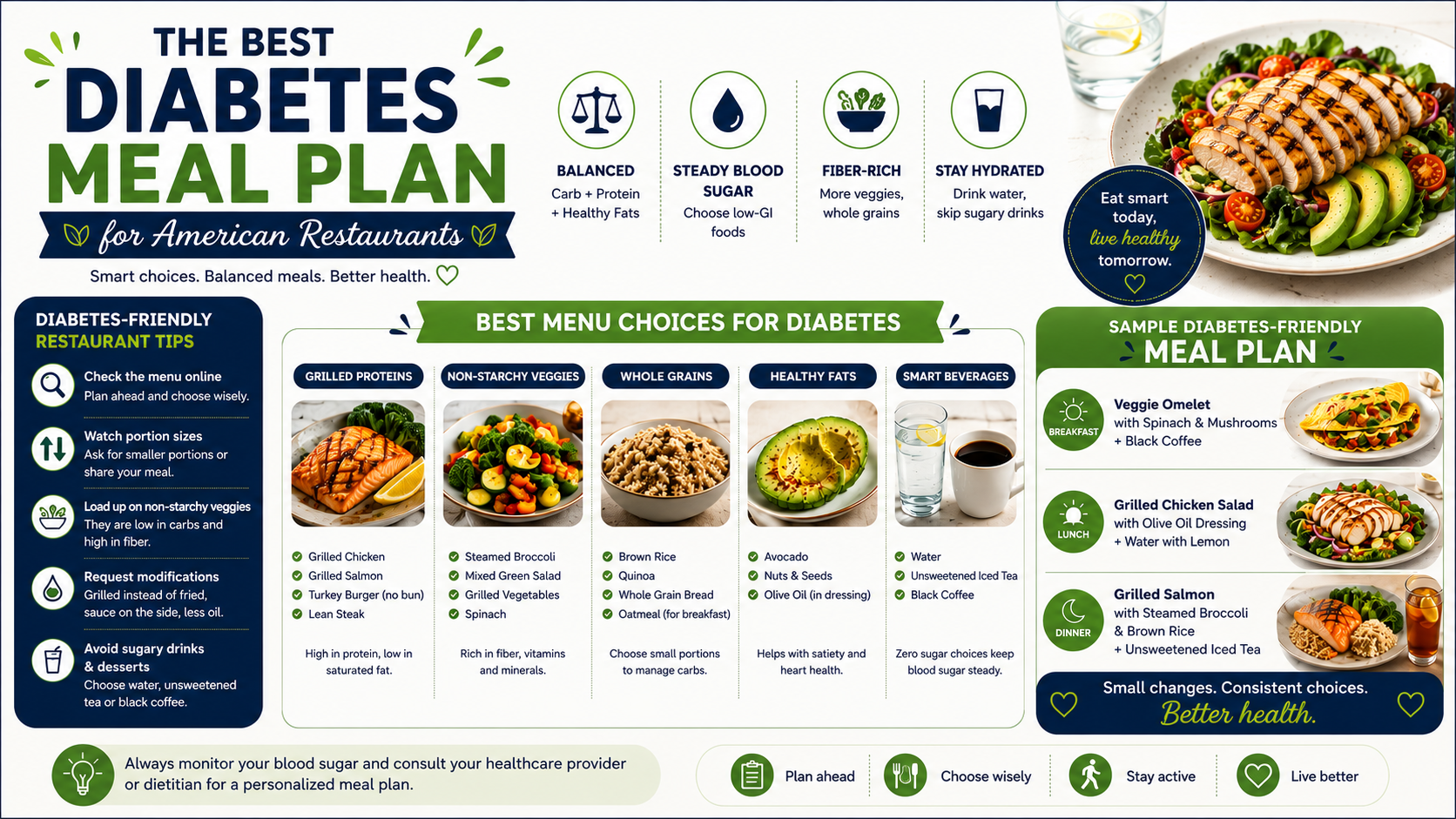
Managing diabetes starts with making healthy food choices every day. If you are looking for the best diabetic meal plan for American adults in 2026, you are in the right place. A well-balanced meal plan can help control blood sugar levels, support a healthy weight, improve heart health, and reduce the risk of diabetes-related complications. Across the United States, more adults are choosing healthier eating habits as they learn how important nutrition is for diabetes management. The good news is that a diabetic meal plan does not have to be complicated or restrictive. With the right combination of lean protein, whole grains, healthy fats, fruits, and vegetables, you can enjoy delicious meals while keeping your blood glucose under better control.
This guide explains how American adults can build a practical and sustainable diabetic meal plan in 2026. Whether you have recently been diagnosed with diabetes or have been managing it for years, these recommendations can help you make smarter food choices and develop healthy eating habits that fit your lifestyle.
Why a Healthy Diabetic Meal Plan Is Important for American Adults
Diabetes affects millions of adults across the United States, making healthy eating one of the most effective tools for managing the condition. While medication and regular physical activity play an important role, daily food choices have the greatest impact on blood sugar levels. A balanced diabetic meal plan provides your body with steady energy while helping prevent sudden spikes and drops in blood glucose.
Many American diets include processed foods, sugary beverages, refined carbohydrates, and oversized portions. These eating habits may contribute to weight gain, insulin resistance, and poor blood sugar control. Replacing these foods with nutrient-rich alternatives can improve overall health and reduce the risk of serious complications such as heart disease, kidney disease, and nerve damage.
A well-planned diabetic meal plan is not about avoiding food. Instead, it focuses on choosing healthier ingredients, eating balanced portions, and maintaining consistency throughout the day. This approach supports long-term blood sugar management while allowing you to enjoy a wide variety of satisfying meals.
How Nutrition Supports Blood Sugar Control
Every meal you eat affects your blood sugar. Foods that are high in refined carbohydrates or added sugars are digested quickly, causing blood glucose levels to rise rapidly. Foods rich in fiber, protein, and healthy fats are digested more slowly, helping maintain more stable blood sugar levels.
Whole grains, vegetables, lean proteins, and healthy fats work together to slow digestion and improve satiety. This balanced combination helps reduce hunger between meals while providing your body with essential vitamins and minerals.
Why Meal Planning Matters in 2026
In 2026, nutrition experts continue to emphasize personalized meal planning instead of restrictive diets. American adults have access to more healthy food options than ever before, including whole-grain products, low-sugar foods, fresh produce, and diabetes-friendly meal delivery services. Planning meals in advance helps reduce unhealthy food choices, saves time, and makes it easier to stay consistent with your diabetes management goals.
Essential Foods to Include in a Diabetic Meal Plan
Building a healthy diabetic meal plan starts with selecting foods that provide lasting energy without causing large increases in blood sugar. Every meal should include a balance of carbohydrates, protein, healthy fats, vitamins, minerals, and fiber.
Choose High-Fiber Vegetables Every Day
Vegetables should be one of the largest parts of your daily meals because they are naturally low in calories and rich in nutrients. Fiber found in vegetables slows the absorption of glucose into the bloodstream, helping improve blood sugar control.
American adults with diabetes can benefit from eating vegetables such as broccoli, spinach, kale, cauliflower, green beans, zucchini, Brussels sprouts, cucumbers, asparagus, bell peppers, and leafy salad greens. These vegetables are filling, nutritious, and easy to include in lunch and dinner meals.
Fresh, frozen, and low-sodium canned vegetables can all be healthy choices. Whenever possible, prepare vegetables by steaming, roasting, grilling, or baking instead of frying.
Select Lean Sources of Protein
Protein is an important part of every diabetic meal because it helps maintain muscle, supports recovery, and keeps you feeling satisfied for longer periods. Unlike refined carbohydrates, protein has a much smaller effect on blood sugar levels.
Healthy protein choices include skinless chicken breast, turkey, salmon, tuna, cod, shrimp, eggs, tofu, beans, lentils, and low-fat dairy products. Lean cuts of beef can also fit into a healthy meal plan when eaten in moderation.
Including protein with each meal helps balance carbohydrate intake and may reduce cravings throughout the day.
Focus on Healthy Carbohydrates
Carbohydrates are the body’s main source of energy, but choosing the right type is essential for diabetes management. Instead of avoiding carbohydrates completely, focus on foods that are high in fiber and slowly digested.
Whole-grain bread, brown rice, quinoa, oats, barley, sweet potatoes, beans, lentils, and fresh fruits provide carbohydrates along with important nutrients. These foods support stable blood sugar levels when eaten in appropriate portions.
Highly processed foods made with white flour or added sugars should be limited because they can cause rapid increases in blood glucose.
Include Heart-Healthy Fats
Heart health is especially important for people living with diabetes because they have a higher risk of cardiovascular disease. Healthy fats support overall wellness and help improve satisfaction after meals.
Foods such as avocados, olive oil, almonds, walnuts, chia seeds, flaxseeds, and fatty fish like salmon provide beneficial unsaturated fats. These foods can be included regularly as part of a balanced diabetic meal plan.
Limiting trans fats and reducing saturated fat intake remains an important recommendation for American adults in 2026.
Do Not Forget Hydration
Drinking enough water is often overlooked when discussing diabetes management. Proper hydration supports normal body functions and may help maintain healthy blood sugar levels. Water should be the primary beverage throughout the day, while sugary soft drinks, sweetened juices, and energy drinks should be limited or avoided whenever possible.
Unsweetened tea, sparkling water, and black coffee can also be enjoyed in moderation as part of a healthy lifestyle.
How to Build a Balanced Diabetic Plate for Every Meal
One of the easiest ways to manage diabetes is by learning how to build a balanced plate. Instead of counting every calorie or avoiding certain foods completely, a balanced plate helps you enjoy different types of food while supporting healthy blood sugar levels. This simple approach has become one of the most recommended meal-planning methods for American adults in 2026 because it is practical, flexible, and easy to follow every day.
A balanced meal begins with vegetables because they provide fiber, vitamins, and minerals without adding excessive carbohydrates. Non-starchy vegetables help slow digestion and keep you feeling satisfied for a longer time. Filling a large portion of your plate with vegetables also naturally reduces the amount of refined carbohydrates you eat.
The next part of your meal should include lean protein. Protein helps repair body tissues, supports muscle health, and reduces hunger between meals. Chicken breast, turkey, fish, eggs, tofu, and beans are all excellent choices that fit well into a diabetic meal plan.
Healthy carbohydrates should complete the meal. Choosing whole grains instead of refined grains provides longer-lasting energy and helps prevent sudden increases in blood sugar. Brown rice, quinoa, whole-grain pasta, barley, and sweet potatoes are healthier alternatives to white rice, regular pasta, and white bread.
Healthy fats should also be included in moderation. Adding sliced avocado, a drizzle of olive oil, or a handful of nuts provides healthy unsaturated fats that support heart health and improve the overall nutritional value of the meal.
Eating slowly is another important part of a balanced eating plan. Taking time to enjoy each bite gives your body enough time to recognize fullness, making it easier to avoid overeating. This simple habit can improve both weight management and blood sugar control over time.
Consistency also matters. Eating meals at regular times each day helps the body use insulin more effectively and reduces the chance of large changes in blood glucose levels. Skipping meals may increase hunger later in the day and make healthy food choices more difficult.
A balanced plate is not about perfection. It is about creating healthy eating habits that can be maintained for years rather than following a short-term diet.
Best Breakfast Meal Plan for American Adults with Diabetes
Breakfast is often called the most important meal of the day because it provides energy after a night’s sleep and prepares the body for daily activities. For people with diabetes, a balanced breakfast can help stabilize blood sugar and reduce cravings later in the day.
Many traditional American breakfast foods contain large amounts of refined flour and added sugar. Pancakes covered with syrup, sweet pastries, sugary breakfast cereals, and flavored coffee drinks may taste good, but they often cause blood sugar to rise quickly. Replacing these foods with nutrient-rich alternatives can improve energy levels and support better diabetes management.
A vegetable omelet made with spinach, mushrooms, tomatoes, onions, and bell peppers is one of the healthiest breakfast choices. Eggs provide high-quality protein, while vegetables add fiber and essential nutrients. This combination helps keep you full for several hours without causing major blood sugar fluctuations.
Plain oatmeal is another excellent breakfast option. Oats contain soluble fiber, which supports healthy digestion and helps slow the absorption of glucose into the bloodstream. Adding fresh blueberries, strawberries, walnuts, or cinnamon increases both flavor and nutritional value without relying on added sugar.
Greek yogurt is another healthy breakfast choice for American adults with diabetes. Plain Greek yogurt contains more protein than regular yogurt and can be paired with fresh berries, chia seeds, or sliced almonds for a satisfying meal. Choosing unsweetened yogurt helps reduce unnecessary sugar intake.
Whole-grain toast topped with avocado and a boiled egg is another balanced breakfast that combines healthy carbohydrates, protein, and heart-friendly fats. This simple meal provides lasting energy while supporting healthy blood sugar levels throughout the morning.
Smoothies can also be included when prepared correctly. A healthy diabetic smoothie should contain unsweetened milk, plain Greek yogurt, leafy greens, berries, and a source of protein. Avoid adding fruit juice, sweetened yogurt, or flavored syrups because these ingredients can significantly increase the sugar content.
Eating breakfast within a reasonable time after waking up may also help improve blood sugar regulation. Starting the day with a nutritious meal gives your body a steady source of energy and reduces the likelihood of overeating later in the day.
Healthy Lunch Ideas for a Diabetes-Friendly Diet
Lunch plays an important role in maintaining steady energy and preventing afternoon blood sugar spikes. A balanced lunch should provide enough nutrition to keep you satisfied without leaving you feeling overly full or tired.
Grilled chicken salad is one of the most popular diabetes-friendly lunch options in the United States. Fresh leafy greens, cucumbers, tomatoes, carrots, and grilled chicken create a meal that is rich in protein, fiber, vitamins, and minerals. A light olive oil dressing or vinaigrette adds flavor while keeping added sugars low.
Turkey sandwiches made with whole-grain bread are another healthy choice. Adding lettuce, tomatoes, cucumbers, and avocado increases the nutritional value of the meal while providing healthy fats and fiber. Replacing regular potato chips with fresh vegetables or a small serving of fruit creates a more balanced lunch.
Soup can also be an excellent option when chosen carefully. Vegetable soup, lentil soup, or bean soup provides fiber, protein, and important nutrients while being naturally filling. Choosing low-sodium varieties helps support heart health, which is especially important for people living with diabetes.
Grilled salmon served with quinoa and roasted vegetables creates another nutritious lunch. Salmon provides omega-3 fatty acids that support cardiovascular health, while quinoa supplies fiber and complex carbohydrates that help maintain steady blood sugar.
Brown rice bowls have also become increasingly popular across America in 2026. Combining brown rice with grilled chicken, black beans, vegetables, and avocado creates a balanced meal that contains protein, healthy fats, fiber, and slow-digesting carbohydrates.
Portion control remains just as important as food selection. Even healthy foods can affect blood sugar when eaten in excessive amounts. Eating slowly and stopping when comfortably full helps maintain healthy eating habits while supporting long-term diabetes management.
A well-planned lunch also improves concentration, productivity, and energy throughout the afternoon. Making healthy lunch choices every day can become one of the most effective habits for controlling diabetes and improving overall health.
Healthy Dinner Meal Plan for American Adults with Diabetes
Dinner is the final major meal of the day, and it plays an important role in maintaining healthy blood sugar levels overnight. Many American adults eat their largest meal in the evening, which can lead to overeating and higher blood glucose levels before bedtime. A well-balanced dinner should provide enough nutrition to satisfy your hunger without adding unnecessary calories or excess carbohydrates.
A healthy diabetic dinner begins with a lean source of protein. Grilled chicken breast, baked salmon, turkey, shrimp, tofu, or lean beef are excellent choices because they provide essential nutrients while having a minimal effect on blood sugar. Protein also helps you stay full longer, reducing the desire for unhealthy evening snacks.
Vegetables should be included with every dinner. Broccoli, spinach, cauliflower, asparagus, Brussels sprouts, green beans, zucchini, and mixed salads provide fiber that slows digestion and helps maintain steady blood sugar levels. These vegetables are also rich in vitamins, minerals, and antioxidants that support overall health.
Healthy carbohydrates should be eaten in moderate portions. Brown rice, quinoa, sweet potatoes, whole-grain pasta, or beans provide lasting energy because they are digested more slowly than refined grains. Choosing smaller portions of these foods while increasing vegetable intake creates a better balance for diabetes management.
Healthy fats can also improve the nutritional quality of dinner. Olive oil, avocado, nuts, and seeds provide heart-friendly fats that are especially beneficial for people with diabetes. Since heart disease is a common complication of diabetes, including these healthy fats in moderation can support long-term health.
Eating dinner two to three hours before bedtime may also help the body process food more effectively. Going to bed immediately after a large meal can make blood sugar management more difficult and may affect sleep quality. Drinking water instead of sugary beverages during dinner further supports healthy blood glucose levels.
Creating a consistent dinner routine allows your body to adapt to regular eating patterns, making diabetes management easier over time.
Best Healthy Snacks for Blood Sugar Control
Healthy snacks can become an important part of a diabetic meal plan, especially for people who experience hunger between meals or need to prevent blood sugar from dropping too low. The goal of a healthy snack is not simply to satisfy hunger but to provide balanced nutrition that supports steady energy throughout the day.
A good diabetic snack usually combines protein, healthy fat, and fiber. This combination slows digestion and helps prevent sudden increases in blood sugar. Choosing nutrient-dense foods instead of highly processed snacks also improves overall nutrition.
Plain Greek yogurt is one of the best snack choices because it contains high-quality protein and beneficial probiotics. Adding a small serving of fresh berries provides natural sweetness along with antioxidants and fiber without excessive sugar.
A handful of unsalted almonds or walnuts can also make an excellent snack. These nuts provide healthy fats, protein, and important minerals that support heart health. Because nuts are calorie-dense, moderate portion sizes remain important.
Fresh vegetables paired with hummus offer another satisfying option. Carrot sticks, cucumber slices, celery, and bell peppers provide crunch, vitamins, and fiber, while hummus adds plant-based protein and healthy fats.
Apple slices served with natural peanut butter create a balanced snack that combines fiber, healthy fat, and protein. Choosing peanut butter without added sugar helps keep the snack healthier.
Boiled eggs are another convenient snack for busy American adults. They are rich in protein, easy to prepare, and portable enough for work or travel.
Low-fat cottage cheese with fresh fruit is another nutritious choice that provides calcium, protein, and vitamins. Fresh berries, peaches, or pears pair well with cottage cheese while keeping added sugar low.
Planning healthy snacks ahead of time helps reduce the temptation to choose candy, cookies, chips, or sugary drinks when hunger strikes. Small, nutritious snacks can help maintain stable energy levels and improve overall diabetes management throughout the day.
Foods American Adults with Diabetes Should Limit or Avoid in 2026
Managing diabetes is not only about choosing healthy foods but also about understanding which foods should be limited. Many processed foods commonly found in the American diet contain large amounts of added sugar, unhealthy fats, sodium, and refined carbohydrates. Regularly eating these foods may make blood sugar control more difficult and increase the risk of long-term health complications.
Sugar-sweetened beverages remain one of the biggest concerns. Soft drinks, sweet tea, flavored coffee beverages, energy drinks, sports drinks, and fruit punches often contain large amounts of added sugar with very little nutritional value. Because these drinks are absorbed quickly, they can cause rapid increases in blood glucose levels. Water, sparkling water, and unsweetened tea are much healthier alternatives.
Highly processed snack foods should also be limited. Potato chips, candy bars, cookies, cakes, pastries, and donuts are often high in refined flour, unhealthy fats, and added sugar. Although these foods may provide temporary satisfaction, they usually contribute very little nutritional value and can make blood sugar management more difficult.
Refined grains are another category to watch carefully. White bread, white rice, regular pasta, and many packaged breakfast cereals are digested quickly, leading to faster increases in blood glucose. Replacing these foods with whole-grain alternatives provides more fiber and helps support steadier blood sugar levels.
Processed meats such as hot dogs, bacon, sausage, and deli meats should also be eaten in moderation. These foods often contain high amounts of sodium and saturated fat, which may increase the risk of heart disease. Choosing fresh poultry, fish, beans, or lean cuts of meat is usually a healthier option.
Many packaged foods marketed as “low fat” or “diet” may still contain added sugar to improve flavor. Reading nutrition labels carefully has become even more important in 2026 as food manufacturers continue introducing new products to the market. Paying attention to serving sizes, total carbohydrates, added sugars, and fiber helps you make informed decisions while grocery shopping.
Completely avoiding your favorite foods is not always necessary. Instead, moderation and portion control remain the foundation of a healthy diabetic meal plan. Enjoying occasional treats while following healthy eating habits most of the time creates a balanced lifestyle that is easier to maintain for many years.
Healthy Lifestyle Habits That Make a Diabetic Meal Plan More Effective
A healthy meal plan works best when it is combined with other lifestyle habits that support blood sugar management. While choosing nutritious foods is the foundation of diabetes care, daily routines such as regular exercise, proper hydration, quality sleep, and stress management can make your meal plan even more effective. In 2026, diabetes experts across the United States continue to recommend a complete lifestyle approach rather than focusing only on food.
Regular physical activity helps your body use insulin more efficiently and allows your muscles to absorb glucose from the bloodstream for energy. Walking after meals, cycling, swimming, strength training, or participating in other enjoyable activities can improve blood sugar control and support a healthy weight. Even a short walk after lunch or dinner may help reduce blood glucose levels.
Getting enough sleep is equally important. Poor sleep may affect hormones that regulate hunger and blood sugar, making it harder to make healthy food choices the next day. Most American adults should aim for seven to nine hours of quality sleep each night to support overall health and diabetes management.
Managing stress is another essential part of a healthy lifestyle. Long-term stress can increase hormones that raise blood sugar levels and may lead to emotional eating. Relaxation techniques such as deep breathing, meditation, reading, spending time outdoors, or practicing yoga can help reduce stress and improve emotional well-being.
Staying hydrated also supports healthy body functions. Drinking enough water throughout the day helps maintain normal hydration and may support healthy blood sugar regulation. Replacing sugary drinks with water or unsweetened beverages is one of the simplest lifestyle changes people with diabetes can make.
Monitoring your blood sugar regularly allows you to understand how different foods affect your body. Some people notice that certain meals cause higher blood glucose levels than others. Keeping a food and blood sugar journal can help identify patterns and make future meal planning easier.
Finally, regular medical checkups remain an important part of diabetes care. Your doctor or registered dietitian can review your progress, adjust your treatment plan if needed, and provide personalized nutrition advice based on your health goals. Every person’s diabetes is different, so professional guidance is valuable for creating a meal plan that works best for your individual needs.
Conclusion
Following the best diabetic meal plan for American adults in 2026 is not about giving up the foods you enjoy. It is about making smarter choices that support healthy blood sugar levels while providing your body with the nutrients it needs. A balanced eating plan that includes vegetables, lean protein, whole grains, healthy fats, and high-fiber foods can improve energy levels, support heart health, and reduce the risk of diabetes-related complications.
Healthy eating becomes easier when combined with regular physical activity, proper hydration, quality sleep, and consistent meal planning. Small improvements made every day often produce better long-term results than following strict diets that are difficult to maintain.
Remember that every person responds differently to food, so your meal plan should fit your lifestyle, medical history, and health goals. If you have difficulty managing your blood sugar or need help creating a personalized nutrition plan, speak with your healthcare provider or a registered dietitian. With the right knowledge and consistent healthy habits, American adults living with diabetes can enjoy nutritious meals and lead healthy, active lives.
Frequently Asked Questions (FAQs)
What is the best diabetic meal plan for American adults in 2026?
The best diabetic meal plan includes lean proteins, whole grains, non-starchy vegetables, healthy fats, and fresh fruits in controlled portions. This combination helps support stable blood sugar levels and overall health.
How many meals should a person with diabetes eat each day?
Most adults with diabetes benefit from eating three balanced meals each day with healthy snacks if needed. The ideal meal schedule depends on your medication, activity level, and healthcare provider’s recommendations.
Can people with diabetes eat carbohydrates?
Yes. Carbohydrates are an important source of energy. Choosing high-fiber carbohydrates such as oats, brown rice, quinoa, beans, and whole-grain bread is generally healthier than eating refined carbohydrates.
What foods help lower blood sugar naturally?
Foods rich in fiber, lean protein, and healthy fats may help support healthy blood sugar levels. Examples include leafy green vegetables, beans, oats, nuts, seeds, salmon, and plain Greek yogurt as part of a balanced diet.
What is the healthiest breakfast for someone with diabetes?
A vegetable omelet, plain oatmeal with berries, Greek yogurt with nuts, or whole-grain toast with eggs are healthy breakfast choices because they provide balanced nutrition and lasting energy.
Which foods should people with diabetes avoid?
People with diabetes should limit sugary drinks, candy, pastries, processed snacks, white bread, refined grains, fried foods, and meals that contain large amounts of added sugar or unhealthy fats.
Is fruit safe for people with diabetes?
Yes. Fresh fruit can be part of a healthy diabetic meal plan when eaten in appropriate portions. Fruits that contain fiber, such as berries, apples, pears, and oranges, are often good choices.
Can people with diabetes eat out at restaurants?
Yes. Choosing grilled protein, vegetables, whole grains, and water instead of sugary drinks allows people with diabetes to enjoy restaurant meals while supporting healthy blood sugar management.
Is the Mediterranean diet good for American adults with diabetes?
Yes. The Mediterranean diet is widely recommended because it emphasizes vegetables, fruits, whole grains, fish, olive oil, legumes, and nuts, all of which support heart health and blood sugar control.
Should people with diabetes follow the same meal plan?
No. Every person has different nutritional needs based on age, weight, activity level, medications, and overall health. A personalized meal plan created with a healthcare provider or registered dietitian is often the most effective approach.
.
.