

Blog
How to manage diabetes Naturally

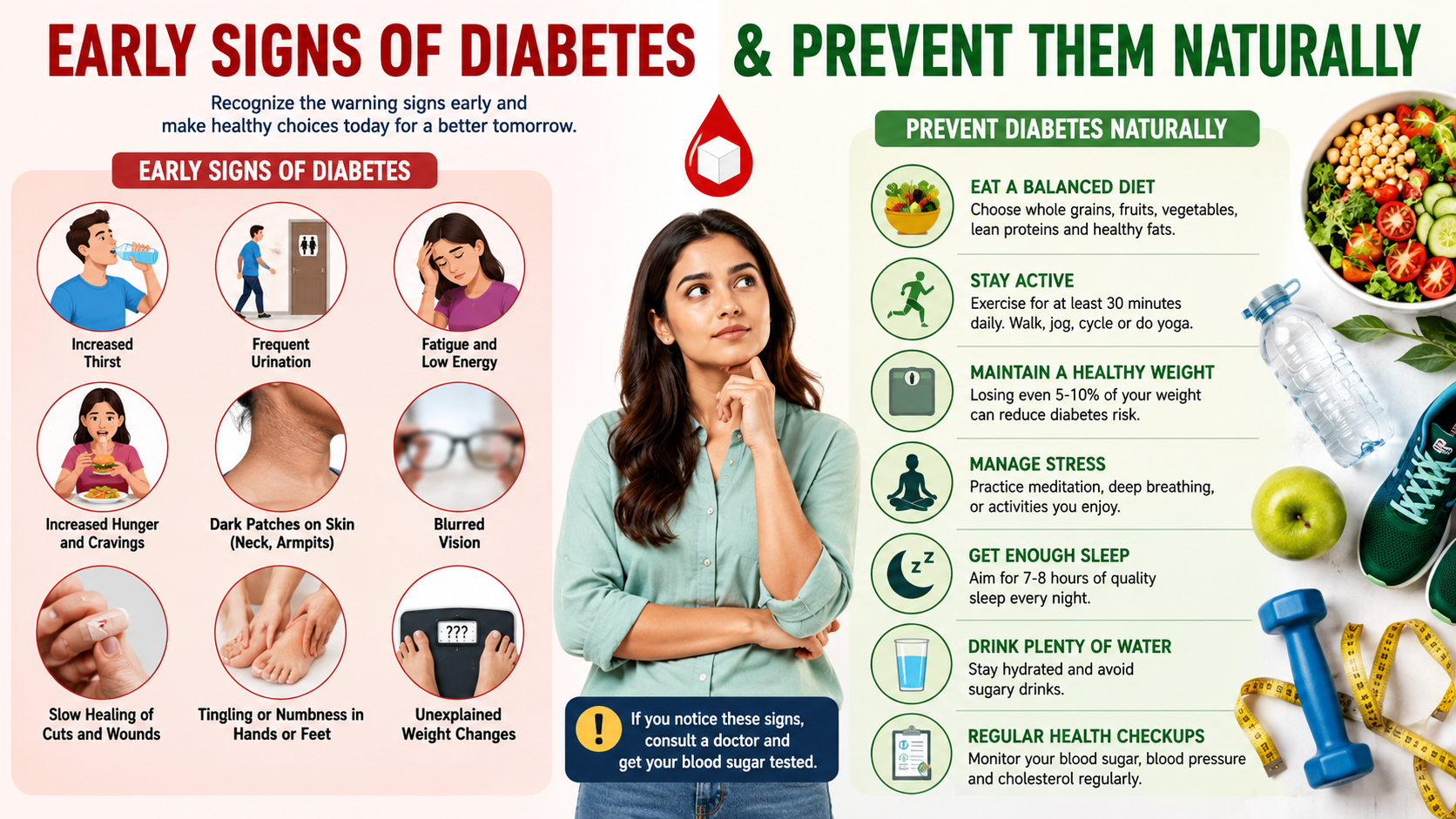
Diabetes is one of the fastest-growing health conditions in the world. Millions of people live with diabetes, while many others have prediabetes without even knowing it. If blood sugar levels remain high for a long time, they can damage the heart, kidneys, eyes, nerves, and other important organs. The good news is that many people can improve their blood sugar control by making healthy lifestyle changes. Although natural methods cannot cure diabetes, they can help manage blood sugar levels, reduce the risk of complications, and improve overall health when combined with medical advice.
Managing diabetes naturally is not about following a strict diet or avoiding all your favorite foods. Instead, it involves making smart choices every day. Eating balanced meals, staying physically active, maintaining a healthy weight, sleeping well, managing stress, and drinking enough water all play an important role in blood sugar control. These habits can also improve energy levels, support heart health, and help you feel better every day.
In this article, you will learn simple, research-based ways to manage diabetes naturally. Whether you have type 2 diabetes, prediabetes, or want to lower your risk of developing diabetes, these practical tips can help you build healthier habits for long-term wellness.
What Is Diabetes?
Diabetes is a long-term health condition that affects how your body uses glucose, also called blood sugar. Glucose is the body’s main source of energy and comes from the food you eat. The hormone insulin, produced by the pancreas, helps move glucose from the bloodstream into your cells, where it is used for energy.
When you have diabetes, your body either does not produce enough insulin or cannot use insulin effectively. As a result, too much glucose stays in the blood instead of entering the cells. Over time, high blood sugar levels can lead to serious health problems if they are not properly managed.
There are several types of diabetes, but the most common include:
Type 1 Diabetes
Type 1 diabetes is an autoimmune condition in which the immune system mistakenly attacks the insulin-producing cells in the pancreas. People with type 1 diabetes need daily insulin because their bodies cannot produce enough of it. This type usually develops during childhood or early adulthood, although it can occur at any age.
Type 2 Diabetes
Type 2 diabetes is the most common form of diabetes. It develops when the body becomes resistant to insulin or does not produce enough insulin to keep blood sugar levels normal. It is often linked to excess body weight, physical inactivity, unhealthy eating habits, and family history. In many cases, healthy lifestyle changes can significantly improve blood sugar control.
Prediabetes
Prediabetes means blood sugar levels are higher than normal but not high enough to be diagnosed as diabetes. It is an early warning sign that type 2 diabetes may develop in the future. Fortunately, many people can reverse prediabetes through healthy eating, regular exercise, and weight management.
Gestational Diabetes
Gestational diabetes develops during pregnancy and usually disappears after childbirth. However, women who have had gestational diabetes have a higher risk of developing type 2 diabetes later in life. Healthy eating and regular medical checkups are important during pregnancy.
Understanding the type of diabetes you have is the first step toward choosing the right treatment plan and making healthy lifestyle changes.
Common Causes of Diabetes
Diabetes develops due to a combination of genetic, lifestyle, and environmental factors. While some risk factors cannot be changed, many can be managed through healthier daily habits.
Family History and Genetics
Having a parent or sibling with diabetes increases your risk of developing the condition. Certain genes can affect how your body produces or responds to insulin, making diabetes more likely.
Being Overweight or Obese
Excess body fat, especially around the abdomen, makes it harder for the body to use insulin properly. This condition, known as insulin resistance, is one of the leading causes of type 2 diabetes.
Unhealthy Eating Habits
A diet high in sugary drinks, refined carbohydrates, processed foods, and unhealthy fats can contribute to weight gain and frequent blood sugar spikes. Over time, these habits increase the risk of insulin resistance and diabetes.
Lack of Physical Activity
Regular exercise helps muscles use glucose more efficiently and improves insulin sensitivity. Sitting for long periods and living a sedentary lifestyle can increase the likelihood of developing type 2 diabetes.
Age
Although diabetes can affect people of all ages, the risk generally increases after the age of 45. However, because of rising obesity rates and inactive lifestyles, type 2 diabetes is becoming more common in younger adults and even teenagers.
High Blood Pressure and High Cholesterol
People with high blood pressure, unhealthy cholesterol levels, or heart disease often have a greater risk of developing diabetes. These conditions are closely linked to metabolic health.
Poor Sleep and Chronic Stress
Not getting enough quality sleep or living with constant stress can affect hormones that regulate blood sugar. High stress levels may also lead to unhealthy eating habits and reduced physical activity.
Smoking and Excessive Alcohol Consumption
Smoking damages blood vessels and increases insulin resistance, while excessive alcohol intake can affect blood sugar balance and contribute to weight gain. Avoiding smoking and limiting alcohol can support better diabetes management.
Knowing these risk factors can help you make informed lifestyle choices and lower your chances of developing type 2 diabetes.
Early Signs and Symptoms of Diabetes
Diabetes often develops slowly, especially type 2 diabetes. Many people do not notice the warning signs until blood sugar levels become significantly elevated. Recognizing the early symptoms can help you seek medical advice sooner and prevent complications.
Frequent Urination
One of the earliest signs of diabetes is needing to urinate more often than usual, especially during the night. High blood sugar causes the kidneys to work harder to remove excess glucose from the body.
Increased Thirst
Frequent urination can lead to dehydration, making you feel thirsty throughout the day even if you drink plenty of water.
Constant Hunger
People with diabetes may feel hungry soon after eating because glucose cannot enter the body’s cells efficiently to provide energy.
Unexplained Weight Loss
Losing weight without trying can be an early symptom, particularly in people with type 1 diabetes. Since the body cannot use glucose properly, it begins breaking down fat and muscle for energy.
Fatigue and Low Energy
High blood sugar affects the body’s ability to convert food into energy. As a result, many people feel tired, weak, or lack the energy to complete daily activities.
Blurred Vision
High blood sugar levels can temporarily affect the lenses of the eyes, leading to blurred vision. If blood sugar remains uncontrolled, it may eventually damage the eyes.
Slow-Healing Wounds
Cuts, bruises, and infections may take longer to heal because high blood sugar can reduce blood circulation and weaken the immune system.
Frequent Infections
People with diabetes are more likely to develop skin infections, urinary tract infections, and fungal infections because elevated blood sugar creates an environment where germs can grow more easily.
Tingling or Numbness in Hands and Feet
Persistent high blood sugar may damage nerves over time, causing tingling, numbness, or burning sensations in the hands and feet. This condition is known as diabetic neuropathy.
If you notice one or more of these symptoms, consult a healthcare professional for proper testing and diagnosis. Early detection and timely treatment can make diabetes much easier to manage and reduce the risk of long-term complications.
Natural Lifestyle Changes That Help Control Blood Sugar
Managing diabetes naturally is about making healthy choices every day. Small lifestyle changes may seem simple, but they can have a big impact on your blood sugar levels over time. Along with a healthy diet, regular physical activity, quality sleep, stress management, and staying hydrated can improve insulin sensitivity and support your overall health. These habits are not quick fixes, but they are effective long-term strategies for living well with diabetes.
Exercise Regularly
Physical activity is one of the best natural ways to lower blood sugar. When you exercise, your muscles use glucose for energy, which helps reduce the amount of sugar in your bloodstream. Regular exercise also makes your body more sensitive to insulin, allowing it to work more efficiently.
You do not have to spend hours in the gym. Even 30 minutes of moderate exercise on most days of the week can make a significant difference. Walking, cycling, swimming, dancing, or light jogging are excellent choices. Strength training two or three times a week can also help build muscle, which improves blood sugar control.
If you are new to exercise, start slowly and increase your activity level gradually. Always check with your healthcare provider before beginning a new exercise routine, especially if you have diabetes-related complications.
Maintain a Healthy Weight
Excess body weight, particularly around the waist, increases insulin resistance. Losing even a small amount of weight can improve the way your body uses insulin and help lower blood sugar levels.
Focus on gradual, healthy weight loss rather than following crash diets. Eat balanced meals with plenty of vegetables, lean protein, whole grains, and healthy fats. Pay attention to portion sizes and avoid eating out of boredom or stress.
A combination of healthy eating and regular exercise is the most effective way to achieve and maintain a healthy weight.
Get Enough Quality Sleep
Sleep plays an important role in blood sugar regulation. Poor sleep can affect hormones that control appetite and insulin, making it harder to manage diabetes. People who regularly sleep less than seven hours may have a higher risk of insulin resistance and weight gain.
Aim for seven to nine hours of quality sleep each night. Try to go to bed and wake up at the same time every day. Avoid caffeine late in the evening, reduce screen time before bed, and create a quiet, comfortable sleeping environment.
Better sleep can improve your energy levels, reduce cravings for unhealthy foods, and support better blood sugar control.
Manage Stress Naturally
Stress affects both physical and mental health. When you are stressed, your body releases hormones such as cortisol, which can raise blood sugar levels. Long-term stress may also lead to emotional eating, poor sleep, and unhealthy lifestyle habits.
There are many natural ways to reduce stress. Deep breathing exercises, meditation, yoga, spending time outdoors, listening to calming music, reading, or talking with friends and family can all help. Even taking a short walk can improve your mood and lower stress levels.
Making time for relaxation every day is an important part of diabetes management.
Stay Hydrated
Drinking enough water helps your body remove excess glucose through urine and supports normal body functions. Dehydration can make blood sugar levels more difficult to control.
Water is the best choice for staying hydrated. Limit sugary drinks such as soda, energy drinks, and sweetened fruit juices because they can quickly raise blood sugar. Herbal teas and plain sparkling water without added sugar can also be good options.
Most adults should drink enough water throughout the day, although individual needs may vary depending on activity level, weather, and overall health.
Monitor Your Blood Sugar Regularly
Checking your blood sugar regularly helps you understand how your body responds to food, exercise, medication, and daily activities. It also allows you to identify patterns and make informed decisions about your lifestyle.
Keep a record of your blood sugar readings along with your meals, physical activity, and any symptoms you experience. Share this information with your healthcare provider during regular checkups. Consistent monitoring can help prevent both high and low blood sugar episodes.
Avoid Smoking and Limit Alcohol
Smoking increases the risk of heart disease, stroke, nerve damage, and poor circulation, all of which are already concerns for people with diabetes. Quitting smoking is one of the best decisions you can make for your overall health.
Alcohol should also be consumed with caution. It can cause blood sugar levels to rise or fall unexpectedly, depending on the amount consumed and whether it is taken with food. If you choose to drink alcohol, do so in moderation and always follow your healthcare provider’s advice.
Natural Drinks That May Support Blood Sugar
Certain natural drinks may help support healthy blood sugar levels when combined with a balanced diet and regular exercise. These beverages are not a cure for diabetes, but they can be part of a healthy lifestyle.
Water
Water is the healthiest drink for people with diabetes. It contains no sugar or calories and helps keep your body hydrated. Drinking enough water may also help your kidneys remove excess glucose from the bloodstream.
Green Tea
Green tea is rich in antioxidants called catechins, which may improve insulin sensitivity and support heart health. Drinking unsweetened green tea regularly can be a healthy addition to your daily routine.
Cinnamon Tea
Some studies suggest that cinnamon may help improve insulin function and support healthy blood sugar levels in certain people. Cinnamon tea is naturally caffeine-free and can be enjoyed without added sugar.
Herbal Tea
Herbal teas such as chamomile, peppermint, or ginger tea are refreshing options that contain little or no calories. They may help with digestion, relaxation, and overall well-being.
Black Coffee Without Sugar
Plain black coffee, when consumed in moderation and without added sugar or cream, may offer health benefits due to its antioxidant content. However, people respond differently to caffeine, so monitor how it affects your blood sugar.
Vegetable Juice
Fresh vegetable juice made from ingredients such as cucumber, spinach, celery, or tomatoes can provide vitamins and minerals without causing a major rise in blood sugar. Avoid adding fruit juice or extra sugar.
Drinks to Avoid
Sugary soft drinks, sweetened iced teas, energy drinks, flavored coffees with syrups, and packaged fruit juices often contain large amounts of added sugar. These beverages can cause rapid spikes in blood sugar and should be limited or avoided whenever possible.
Choosing healthy drinks every day can make a meaningful difference in your diabetes management plan and support better overall health.
Daily Diabetes Meal Plan
Following a balanced meal plan can help keep your blood sugar levels stable throughout the day. The goal is to include fiber-rich carbohydrates, lean protein, healthy fats, and plenty of vegetables in every meal. Eating at regular times and avoiding large portions can also improve blood sugar control.
Breakfast
Start your day with a nutritious breakfast that provides long-lasting energy. A bowl of oatmeal topped with chia seeds and fresh berries is an excellent choice. You can also enjoy whole-grain toast with boiled eggs or plain Greek yogurt with nuts and seeds. Avoid sugary cereals, pastries, and sweetened drinks.
Mid-Morning Snack
Choose a healthy snack if you feel hungry between meals. A small apple with a handful of almonds, cucumber slices with hummus, or plain yogurt are all diabetes-friendly options.
Lunch
A balanced lunch may include grilled chicken, fish, or lentils served with brown rice or whole-wheat bread and a large portion of mixed vegetables or salad. Add healthy fats such as avocado or olive oil dressing in moderation.
Afternoon Snack
Fresh vegetables, roasted chickpeas, a handful of walnuts, or unsalted peanuts can help satisfy hunger without causing a large increase in blood sugar.
Dinner
For dinner, choose lean protein such as grilled fish, skinless chicken, tofu, or beans. Pair it with steamed vegetables like broccoli, spinach, cauliflower, or green beans. A small serving of quinoa or brown rice can complete the meal.
Healthy Evening Option
If you need a light snack before bedtime, choose a small portion of plain Greek yogurt, a few nuts, or a boiled egg instead of sugary desserts.
Eating balanced meals throughout the day helps prevent sudden spikes and drops in blood sugar while providing the nutrients your body needs.
The table below compares foods that support healthy blood sugar management with foods that should be limited.
| Healthy Foods | Foods to Limit or Avoid |
| Oats | Sugary soft drinks |
| Brown rice | White bread |
| Whole-wheat bread | Cakes and pastries |
| Lentils | Candy |
| Beans | Sugary breakfast cereals |
| Leafy green vegetables | French fries |
| Broccoli | Potato chips |
| Apples | Ice cream |
| Berries | Processed snacks |
| Nuts and seeds | Fast food |
| Grilled fish | Sweet coffee drinks |
| Plain Greek yogurt | Sugary fruit juices |
Diabetes-Friendly Food Chart
Making healthier food choices most of the time can help improve blood sugar control, maintain a healthy weight, and reduce the risk of diabetes complications.
When Should You See a Doctor?
Natural lifestyle changes are very helpful, but they should never replace professional medical care. If you have diabetes or think you may have it, regular checkups are important.
You should see your healthcare provider if your blood sugar remains consistently high, you experience frequent episodes of low blood sugar, or you notice symptoms such as excessive thirst, frequent urination, unexplained weight loss, blurred vision, numbness in your hands or feet, or slow-healing wounds.
Regular blood tests, eye exams, foot examinations, kidney function tests, and blood pressure checks can help detect complications early. Follow your prescribed treatment plan and never stop taking medication without medical advice.
Conclusion
Managing diabetes naturally is possible through healthy daily habits, but it requires consistency and commitment. Eating a balanced diet, exercising regularly, maintaining a healthy weight, getting enough sleep, managing stress, and staying hydrated all play an important role in controlling blood sugar levels.
Natural methods work best when they are combined with regular medical care and routine blood sugar monitoring. Small changes made every day can lead to significant improvements over time. Remember that diabetes management is a lifelong journey, and every healthy choice brings you one step closer to better health and a higher quality of life.
Frequently Asked Questions (FAQs)
Can diabetes be managed naturally?
Yes. Many people, especially those with type 2 diabetes or prediabetes, can improve blood sugar control through healthy eating, regular exercise, weight management, quality sleep, and stress reduction. However, these lifestyle changes should complement—not replace—medical treatment when it is needed.
What is the best food for people with diabetes?
There is no single best food, but high-fiber vegetables, whole grains, beans, lentils, berries, nuts, seeds, fish, and lean protein are among the healthiest choices for maintaining stable blood sugar levels.
Which foods should people with diabetes avoid?
It is best to limit sugary drinks, sweets, refined carbohydrates, white bread, pastries, processed snacks, fast food, and foods high in trans fats or added sugars because they can cause rapid increases in blood sugar.
Can exercise lower blood sugar?
Yes. Regular physical activity helps muscles use glucose more efficiently and improves insulin sensitivity. Walking, cycling, swimming, and strength training are all excellent options for people with diabetes.
How much water should a person with diabetes drink?
Water needs vary from person to person, but staying well hydrated throughout the day is important. Drinking water instead of sugary beverages can help support healthy blood sugar management.
Is diabetes completely curable?
Currently, there is no permanent cure for diabetes. However, many people with type 2 diabetes can achieve excellent blood sugar control and, in some cases, remission through long-term lifestyle changes and appropriate medical care.