
Blog
Why Does Iron Deficiency Occur?

Introduction
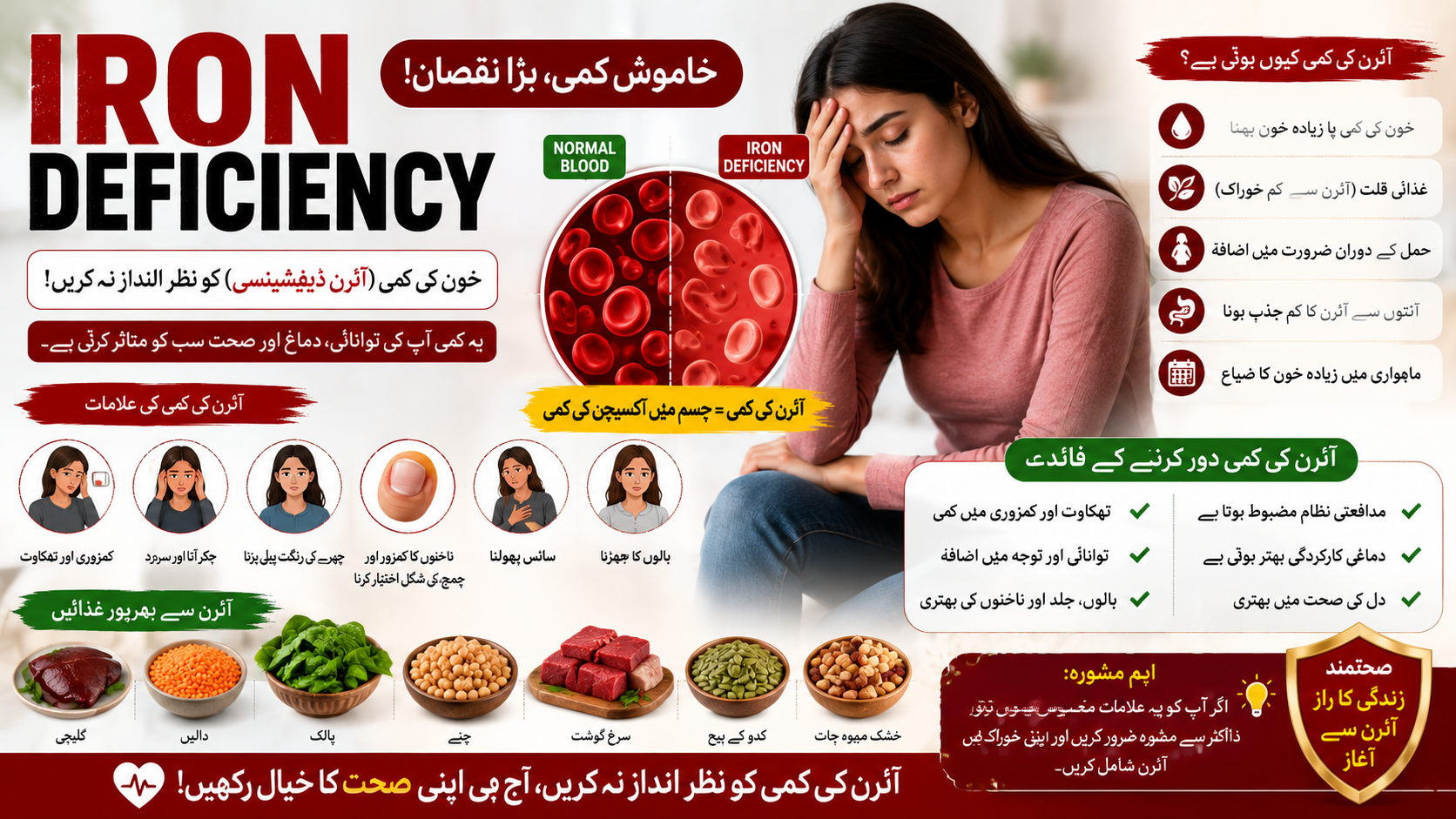
Iron deficiency is a common health condition that happens when the body does not have enough iron. Iron is an important mineral that helps the body make hemoglobin, a protein in red blood cells that carries oxygen to all parts of the body. When there is not enough iron, the body cannot produce enough healthy red blood cells, which can lead to iron deficiency anemia.
People with iron deficiency may feel tired, weak, dizzy, or short of breath. They may also have pale skin, headaches, and difficulty concentrating. Poor diet, blood loss, pregnancy, and certain health conditions are some common causes of iron deficiency.
Eating iron-rich foods such as red meat, fish, beans, lentils, spinach, and fortified cereals can help prevent iron deficiency. Early diagnosis and proper treatment are important to maintain good health and energy levels.
Symptoms of Iron Deficiency
Constant Fatigue and Feeling Tired Even After Getting Enough Rest
Constant tiredness is one of the earliest and most common symptoms of iron deficiency. Iron helps the body produce hemoglobin, which carries oxygen to all tissues and organs. When iron levels become low, less oxygen reaches the body’s cells. As a result, the body cannot produce enough energy, making a person feel tired throughout the day. Even after sleeping for several hours, people with iron deficiency may wake up feeling exhausted and lacking motivation to perform daily activities.
Weakness in Muscles and Difficulty Performing Everyday Tasks
Iron deficiency can cause noticeable physical weakness. Because muscles are not receiving enough oxygen, they cannot function efficiently. Simple activities such as walking, climbing stairs, carrying shopping bags, or doing household chores may feel much harder than usual. Some people may also experience muscle soreness and reduced physical endurance during exercise or sports activities.
Pale Skin, Pale Lips, and Light-Colored Inner Eyelids
Healthy red blood cells give the skin its natural color. When iron levels are low, the body produces fewer red blood cells, causing the skin to become pale. This paleness may be visible on the face, lips, gums, and inside the lower eyelids. Family members or friends may notice that a person looks less healthy or unusually pale compared to normal.
Shortness of Breath During Walking or Light Physical Activity
People with iron deficiency often feel out of breath after doing activities that previously caused no problems. Since the blood cannot carry enough oxygen, the lungs have to work harder to meet the body’s oxygen needs. This may result in rapid breathing, chest discomfort, or difficulty catching one’s breath after mild physical exertion.
Frequent Headaches and Recurring Dizziness Throughout the Day
Low iron levels can reduce oxygen delivery to the brain. This may cause frequent headaches, dizziness, and feelings of lightheadedness. Some individuals may feel unsteady when standing up quickly or may occasionally experience fainting spells. These symptoms can interfere with work, studies, and daily routines.
Poor Concentration, Brain Fog, and Difficulty Remembering Information
Iron plays an important role in brain function. When the brain does not receive enough oxygen, concentration and memory can suffer. People with iron deficiency often report difficulty focusing on tasks, understanding information, or remembering important details. Students and professionals may notice a decline in academic or work performance.
Fast Heartbeat and Heart Palpitations Due to Low Oxygen Levels
The heart works harder when iron levels are low because it must pump more blood to deliver oxygen throughout the body. This extra effort can cause a rapid heartbeat, irregular heartbeat, or heart palpitations. Some people may feel their heart pounding in their chest, especially during physical activity or periods of stress.
Increased Hair Loss and Thinning Hair Over Time
Hair follicles require oxygen and nutrients to remain healthy. Iron deficiency can disrupt the normal hair growth cycle, leading to increased hair shedding and thinning. Many people notice more hair falling out while brushing, washing, or styling their hair. If left untreated, iron deficiency may contribute to significant hair thinning over time.
Brittle Nails That Break Easily and Change Shape
Iron deficiency can weaken the nails and affect their appearance. Nails may become thin, brittle, and prone to breaking. In some cases, the nails may develop a spoon-like shape, known as koilonychia. These nail changes often occur gradually and may indicate a long-term iron deficiency problem.
Cold Hands and Feet Caused by Reduced Blood Oxygen Supply
Many people with iron deficiency constantly feel cold, especially in their hands and feet. Because oxygen is not being delivered efficiently throughout the body, circulation may be affected. This can make it difficult to stay warm even in comfortable temperatures.
Treatment of Iron Deficiency
Treating iron deficiency is important to restore normal iron levels in the body and prevent complications such as iron deficiency anemia. The treatment depends on the cause and severity of the condition. Most people can improve their iron levels through dietary changes, iron supplements, and proper medical care.
Eating Iron-Rich Foods to Increase Iron Levels Naturally
One of the most effective ways to treat iron deficiency is by eating foods that are rich in iron. These foods help the body produce healthy red blood cells and improve oxygen transport throughout the body.
Good sources of iron include:
Red meat such as beef and lamb
Chicken and turkey
Fish and seafood
Liver and organ meats
Lentils and beans
Spinach and other leafy green vegetables
Tofu and soy products
Nuts and seeds
Iron-fortified cereals and bread
Including these foods in your daily diet can help increase iron levels naturally and improve overall health.
Taking Iron Supplements as Recommended by a Healthcare Provider
Many people with iron deficiency need iron supplements to quickly restore their iron stores. Iron tablets are commonly prescribed by doctors and are usually taken once or twice a day.
Iron supplements can help:
Increase hemoglobin production
Improve energy levels
Reduce fatigue and weakness
Restore normal iron stores
It is important to take iron supplements exactly as directed by a healthcare professional. Taking too much iron can cause side effects and may be harmful.
Improving Iron Absorption with Vitamin C-Rich Foods
Vitamin C helps the body absorb iron more effectively. People with iron deficiency are often advised to consume vitamin C-rich foods together with iron-rich meals.
Good sources of vitamin C include:
Oranges
Lemons
Grapefruits
Strawberries
Kiwi fruit
Tomatoes
Bell peppers
Broccoli
For example, drinking a glass of orange juice with an iron-rich meal can improve iron absorption significantly.
Avoiding Foods and Drinks That Reduce Iron Absorption
Certain foods and beverages can interfere with iron absorption. People receiving treatment for iron deficiency should avoid consuming these items at the same time as iron-rich meals or iron supplements.
These include:
Tea
Coffee
Excess dairy products
Calcium supplements
High-fiber foods taken with iron tablets
Waiting a few hours between these foods and iron supplements may help improve absorption.
Treating the Underlying Cause of Iron Deficiency
Iron deficiency often occurs because of an underlying health problem. Successful treatment requires identifying and managing the root cause.
Common causes that may require medical attention include:
Heavy menstrual bleeding
Stomach ulcers
Internal bleeding
Digestive disorders
Pregnancy-related iron deficiency
Poor dietary intake
A doctor may perform blood tests and other investigations to determine the exact cause and recommend appropriate treatment.
Iron Injections or Intravenous Iron Therapy for Severe Cases
In some situations, oral iron supplements may not be enough. People with severe iron deficiency, digestive disorders, or poor absorption may require iron injections or intravenous (IV) iron therapy.
This treatment delivers iron directly into the bloodstream and can restore iron levels more quickly. It is usually performed under medical supervision.
Regular Monitoring and Follow-Up Blood Tests
People being treated for iron deficiency should have regular blood tests to monitor their progress. These tests help healthcare providers determine whether treatment is working and whether iron levels have returned to normal.
Follow-up testing may include:
Hemoglobin levels
Ferritin levels
Red blood cell count
Iron studies
Regular monitoring helps prevent future iron deficiency and ensures long-term health.
Conclusion
Iron deficiency can be treated successfully when diagnosed early. A combination of iron-rich foods, iron supplements, vitamin C intake, and treatment of the underlying cause can help restore healthy iron levels. Following medical advice and maintaining a balanced diet are essential for improving energy, preventing anemia, and supporting overall health.