

Blog
Silent Signs Your Body May Show Before Diabetes Develops

Introduction
Diabetes is one of the most common chronic health conditions worldwide, and millions of people develop it without realizing they are at risk. Before type 2 diabetes develops, the body often shows several warning signs that can easily be overlooked. These symptoms are commonly linked to prediabetes, a condition in which blood sugar levels are higher than normal but not yet high enough for a diabetes diagnosis. Recognizing these early signs and taking preventive steps can help reduce the risk of developing diabetes and its complications.
Increased Thirst and Frequent Urination: An Early Sign of High Blood Sugar
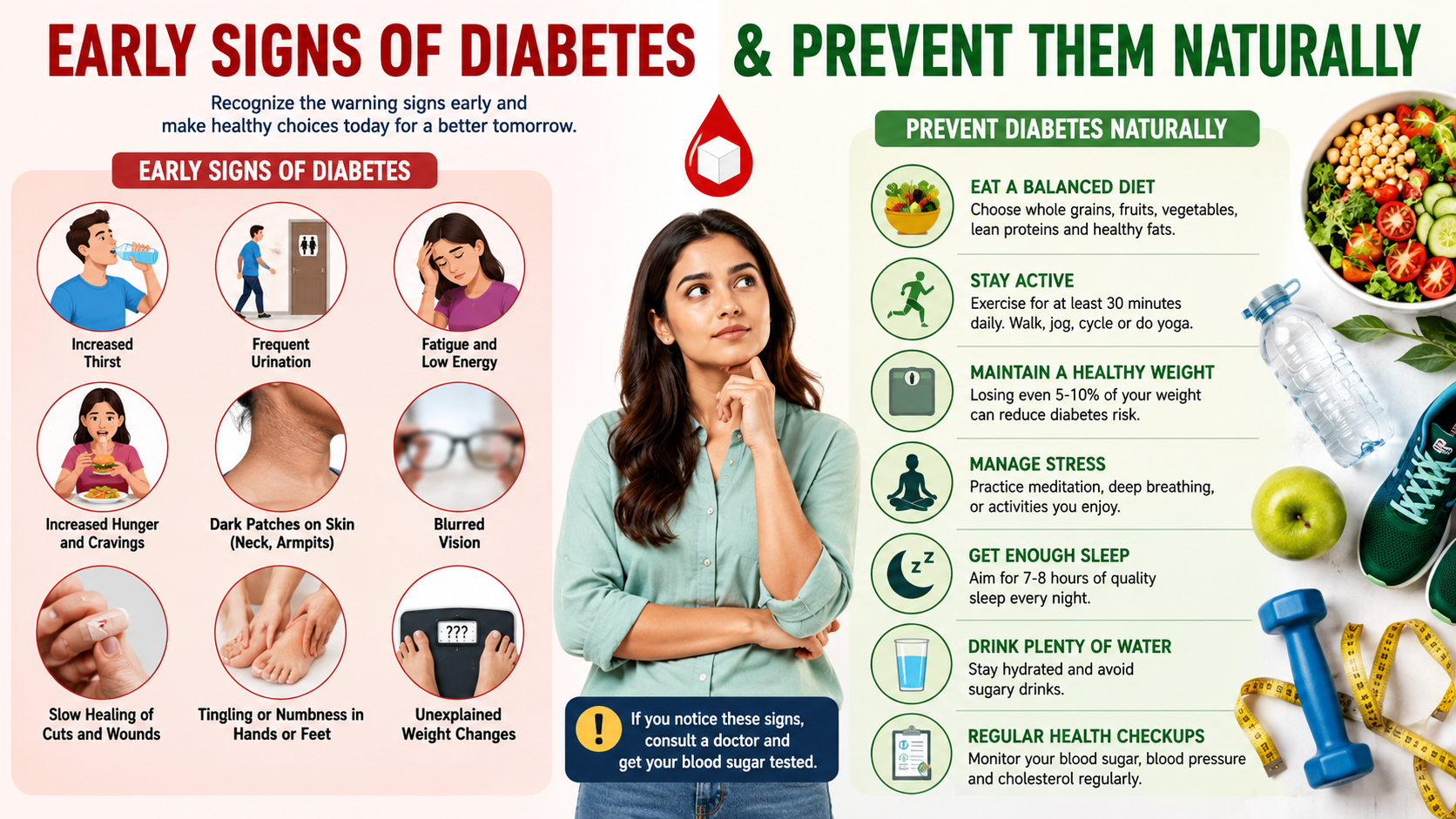
One of the earliest symptoms of developing diabetes is feeling thirsty more often than usual. When blood sugar levels rise, the kidneys work harder to remove excess glucose from the bloodstream. This process causes the body to lose more water through urine, leading to dehydration. As a result, you may find yourself drinking water frequently and making more trips to the bathroom, especially during the night. Many people ignore these symptoms because they develop gradually, but they are among the most common early signs of diabetes.
Constant Fatigue and Low Energy Levels Throughout the Day
Feeling tired all the time can be more than just a result of a busy lifestyle. When the body becomes resistant to insulin, glucose cannot enter the cells efficiently to provide energy. Even though there is plenty of sugar in the bloodstream, the body’s cells remain deprived of fuel. This can lead to persistent fatigue, weakness, poor concentration, and reduced productivity. Chronic tiredness is one of the most frequently reported prediabetes symptoms.
Dark Skin Patches and Other Physical Signs of Insulin Resistance
A visible sign of insulin resistance is the appearance of dark, thick, and velvety skin patches, especially around the neck, armpits, elbows, and knuckles. This condition, known as acanthosis nigricans, often develops when insulin levels remain high for long periods. Some people mistake these patches for dirt or poor skin care, but they can be a warning sign that the body is struggling to regulate blood sugar properly. Paying attention to such physical changes can help identify diabetes risk early.
Increased Hunger, Sugar Cravings, and Unexplained Weight Changes
People who are developing diabetes often experience increased hunger, even after eating a full meal. Because glucose is not reaching the cells efficiently, the brain continues to signal the need for more food. This can result in frequent snacking and strong cravings for sugary foods. Some individuals gain weight due to insulin resistance, while others lose weight unexpectedly because the body starts using fat and muscle for energy. Both weight gain and unexplained weight loss can be important warning signs of developing diabetes.
Blurred Vision and Slow-Healing Wounds You Should Not Ignore
High blood sugar levels can affect various parts of the body, including the eyes and skin. Many people experience temporary blurred vision because excess glucose changes the fluid balance in the eyes. In addition, cuts, bruises, and minor wounds may take longer than usual to heal. Elevated blood sugar can reduce circulation and weaken the body’s natural healing process. These symptoms often appear gradually and should never be ignored.
How to Prevent Diabetes Naturally
Follow a Balanced Diet That Supports Healthy Blood Sugar Levels
One of the most effective ways to prevent diabetes naturally is by eating a healthy and balanced diet. Focus on foods rich in fiber, such as vegetables, fruits, legumes, and whole grains. These foods help slow down the absorption of sugar into the bloodstream and prevent sudden spikes in blood glucose levels. Limiting processed foods, sugary snacks, soft drinks, and refined carbohydrates can significantly reduce the risk of insulin resistance and type 2 diabetes.
Maintain a Healthy Weight to Reduce Diabetes Risk
Excess body weight, especially around the abdomen, is one of the strongest risk factors for type 2 diabetes. Belly fat can interfere with insulin function and make it harder for the body to regulate blood sugar effectively. Losing even a small amount of weight can improve insulin sensitivity and lower diabetes risk. Combining healthy eating habits with regular physical activity is one of the best strategies for maintaining a healthy weight.
Exercise Regularly to Improve Insulin Sensitivity
Regular physical activity helps the body use insulin more efficiently and supports healthy blood sugar control. Exercise allows muscles to use glucose for energy, reducing the amount of sugar circulating in the bloodstream. Activities such as brisk walking, cycling, swimming, jogging, and strength training can all contribute to better metabolic health. Health experts recommend at least 30 minutes of moderate exercise on most days of the week.
Get Quality Sleep and Manage Stress Effectively
Poor sleep and chronic stress can have a significant impact on blood sugar levels. Lack of sleep may increase insulin resistance and make it more difficult for the body to regulate glucose. At the same time, ongoing stress can trigger the release of hormones that raise blood sugar levels. Developing healthy sleep habits and practicing stress-management techniques such as meditation, yoga, deep breathing exercises, or regular physical activity can help lower the risk of diabetes naturally.
Stay Hydrated and Schedule Regular Health Checkups
Drinking enough water is important for overall health and can help the body maintain healthy blood sugar levels. Water supports kidney function and helps remove excess glucose through urine. In addition to staying hydrated, regular health screenings are essential for detecting prediabetes before it progresses to type 2 diabetes. Blood sugar testing can identify problems early and allow you to make lifestyle changes before serious complications develop.
Conclusion: Small Lifestyle Changes Can Prevent Type 2 Diabetes
The body often provides warning signs before diabetes develops, including increased thirst, frequent urination, fatigue, sugar cravings, blurred vision, dark skin patches, and slow-healing wounds. Recognizing these silent signs of diabetes can help individuals take action before the condition progresses. By following a balanced diet, maintaining a healthy weight, exercising regularly, managing stress, getting enough sleep, and monitoring blood sugar levels, it is possible to reduce the risk of type 2 diabetes and enjoy better long-term health. Early awareness and prevention remain the most powerful tools in the fight against diabetes.